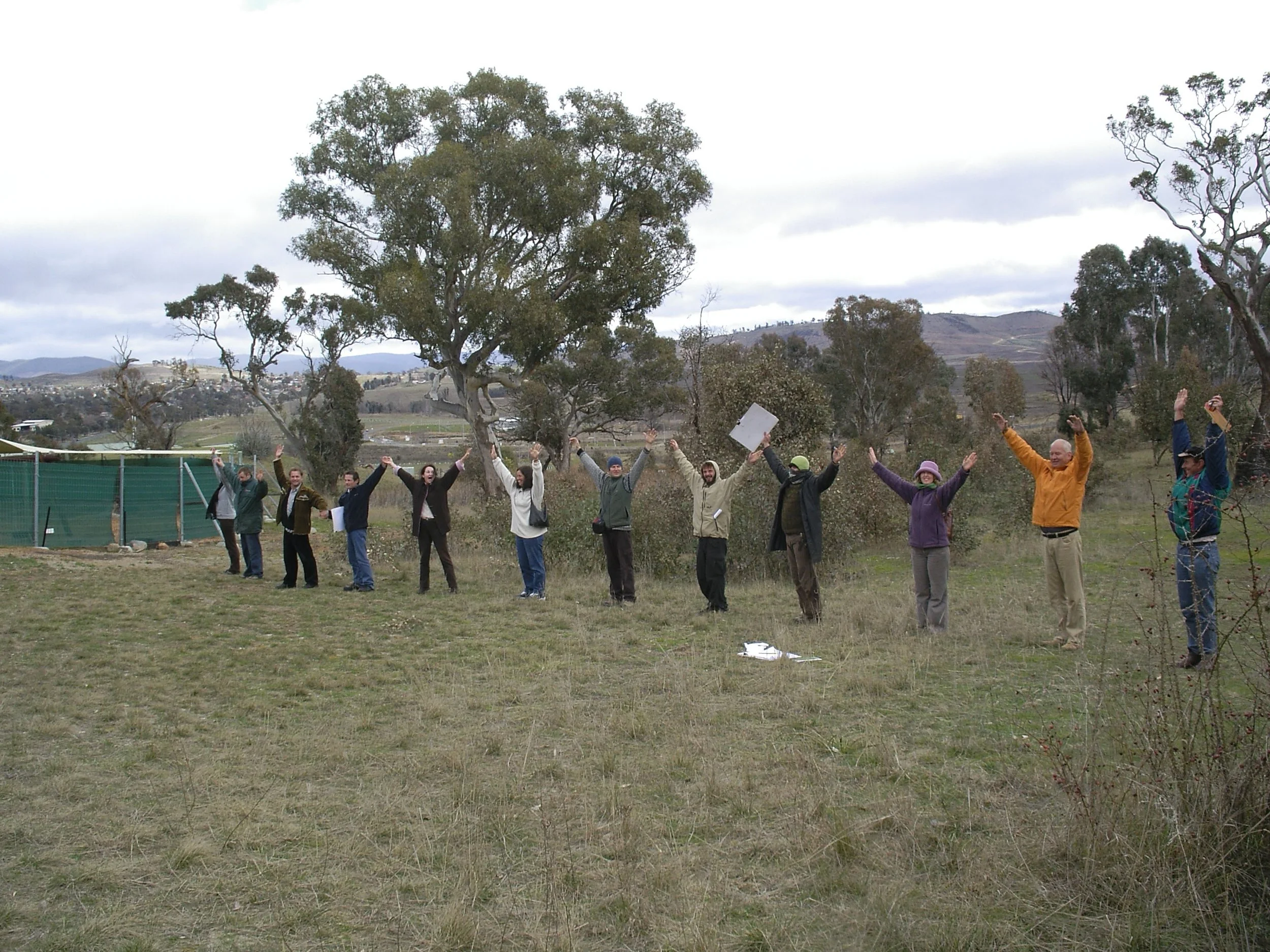
What are Learnscapes?
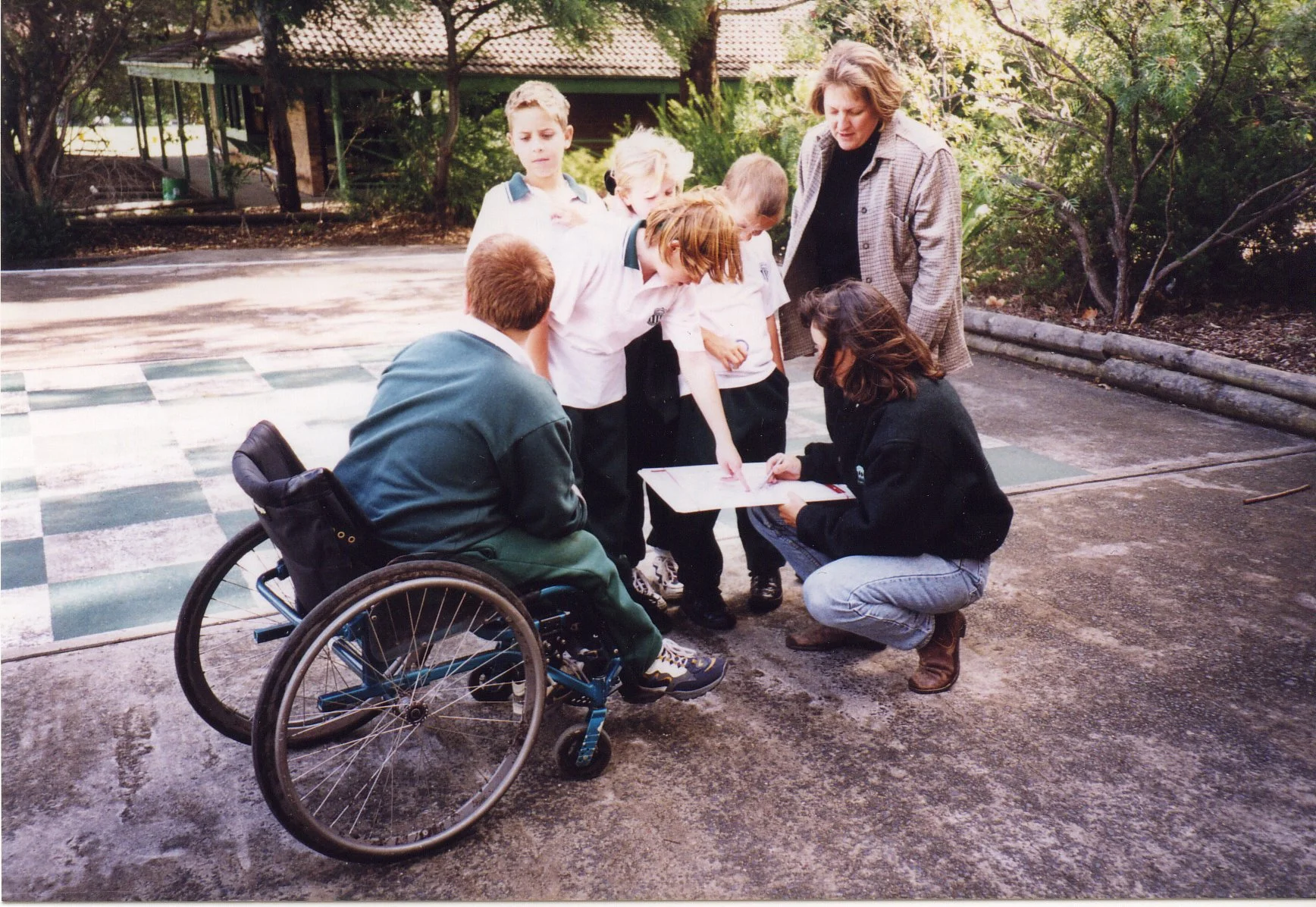
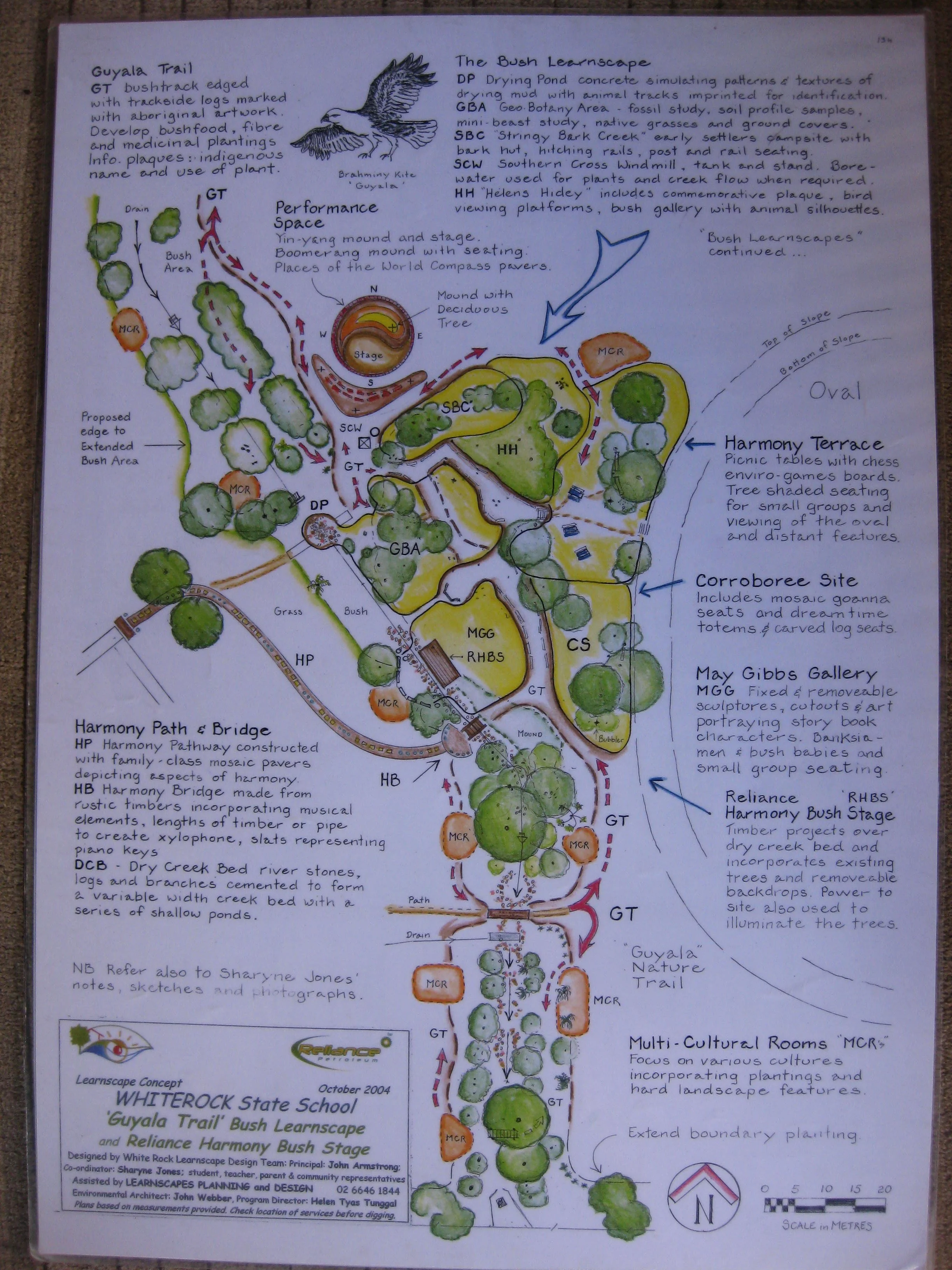
Learnscapes are environments specifically designed for learning—dynamic, purpose-built spaces where students of all ages engage in experiential learning. These environments go beyond traditional classrooms, supporting the acquisition of knowledge while also nurturing critical life skills such as collaboration, problem-solving, and environmental stewardship.
Why Learnscape?
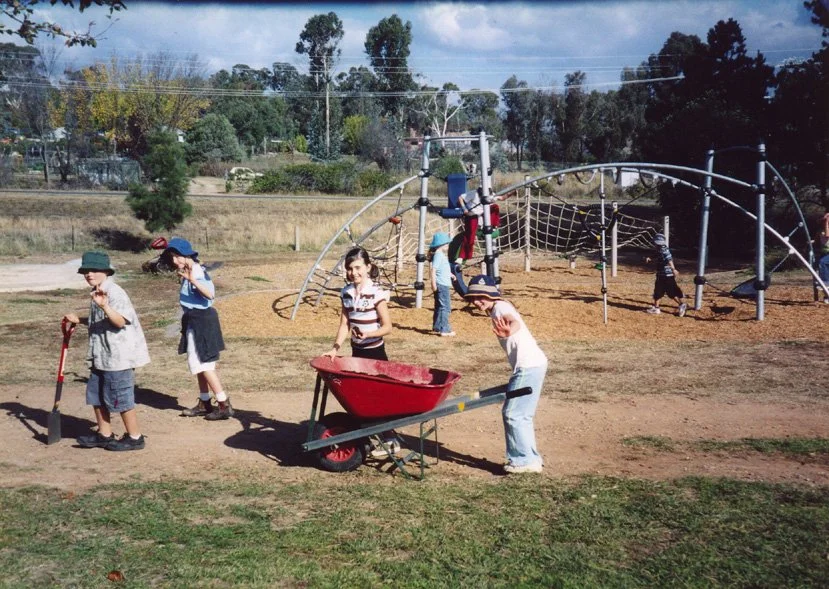
Modern children spend far less time outdoors than previous generations, a shift that affects their development. Reintroducing natural environments through school grounds offers multiple benefits:

1. Bio-Psychological Benefits
Access to nature promotes health, relaxation, and lower stress.
Children are generally healthier and happier when exposed to natural settings.
2. Developmental Benefits
Natural environments support sensory and physical learning, crucial for young children.
They provide a richer, more diverse range of stimuli (colors, textures, sounds) and permitted behaviors (running, climbing, shouting), which enhance cognitive, emotional, and physical development more effectively than indoor settings.
3. Environmental Awareness
Regular interaction with nature increases knowledge and care for the environment.
If children don’t experience nature, they are less likely to value or protect it.
4. Academic Value
A 1998 U.S. study found students in environment-based learning programs:
Perform better on standardised tests
Achieve higher grades across core subjects
Have improved attendance
Show increased creativity and problem-solving skills
Learning tied to the environment is more effective than traditional classroom models.
5. Social and Community Impact
Habitat projects encourage teamwork, community contribution, and environmental responsibility—key elements of service learning.
These help students develop skills for living successfully in society.
6. School Improvement (UK Study, 1997)
School grounds developed for learning led to:
Fewer playground accidents
Reduced bullying and vandalism
Lower maintenance costs
Improved school appearance and atmosphere
References:
NWF “Schoolyard Habitats”
SEER: “Closing the Achievement Gap”
Learning Through Landscapes (UK), OECD Research Report
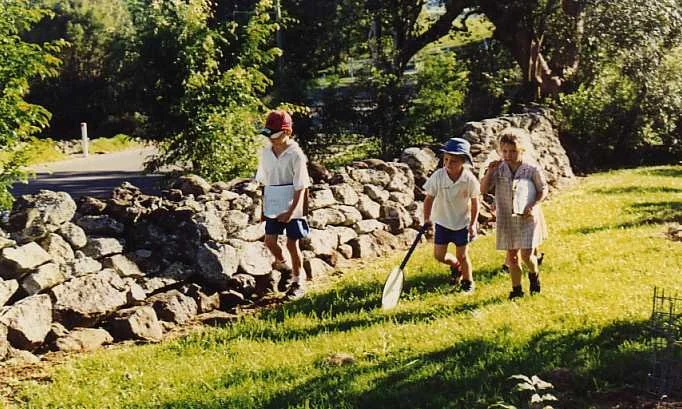


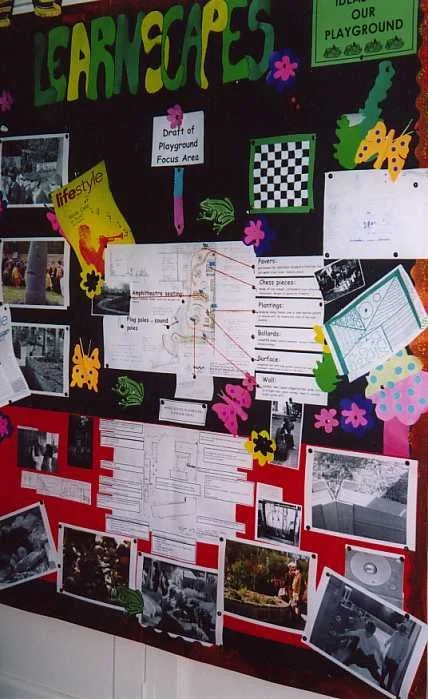


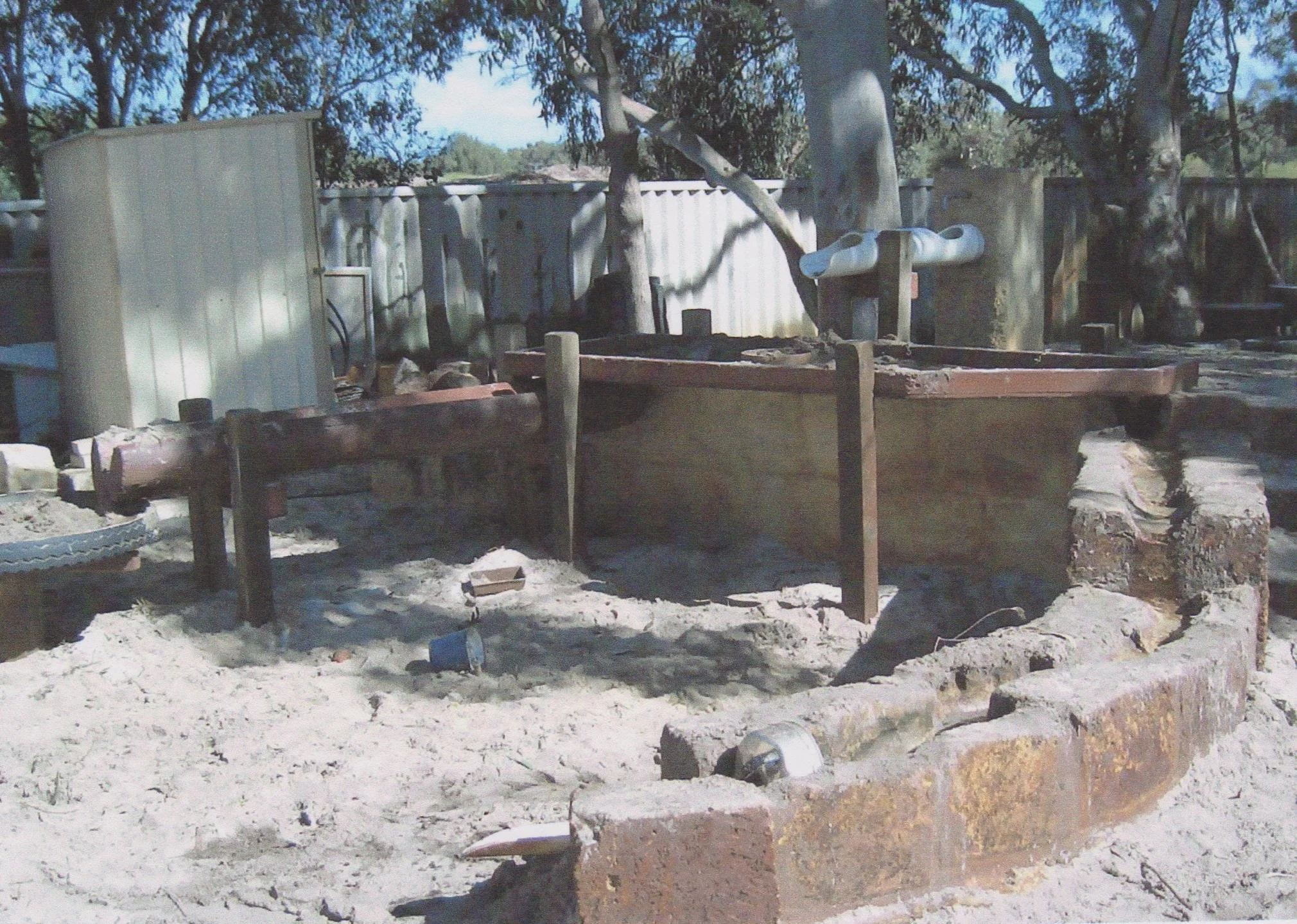

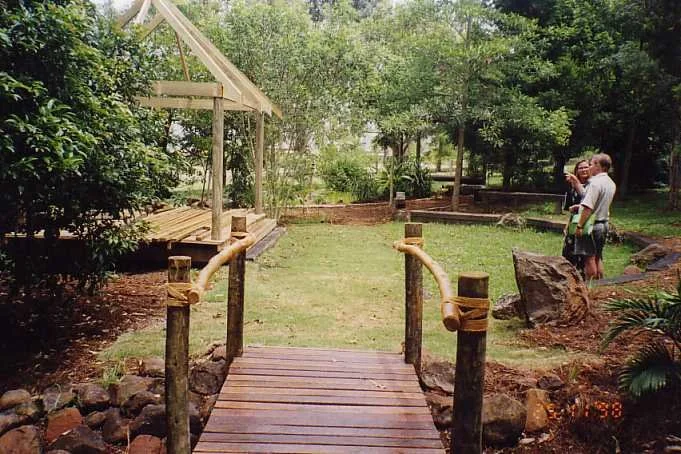

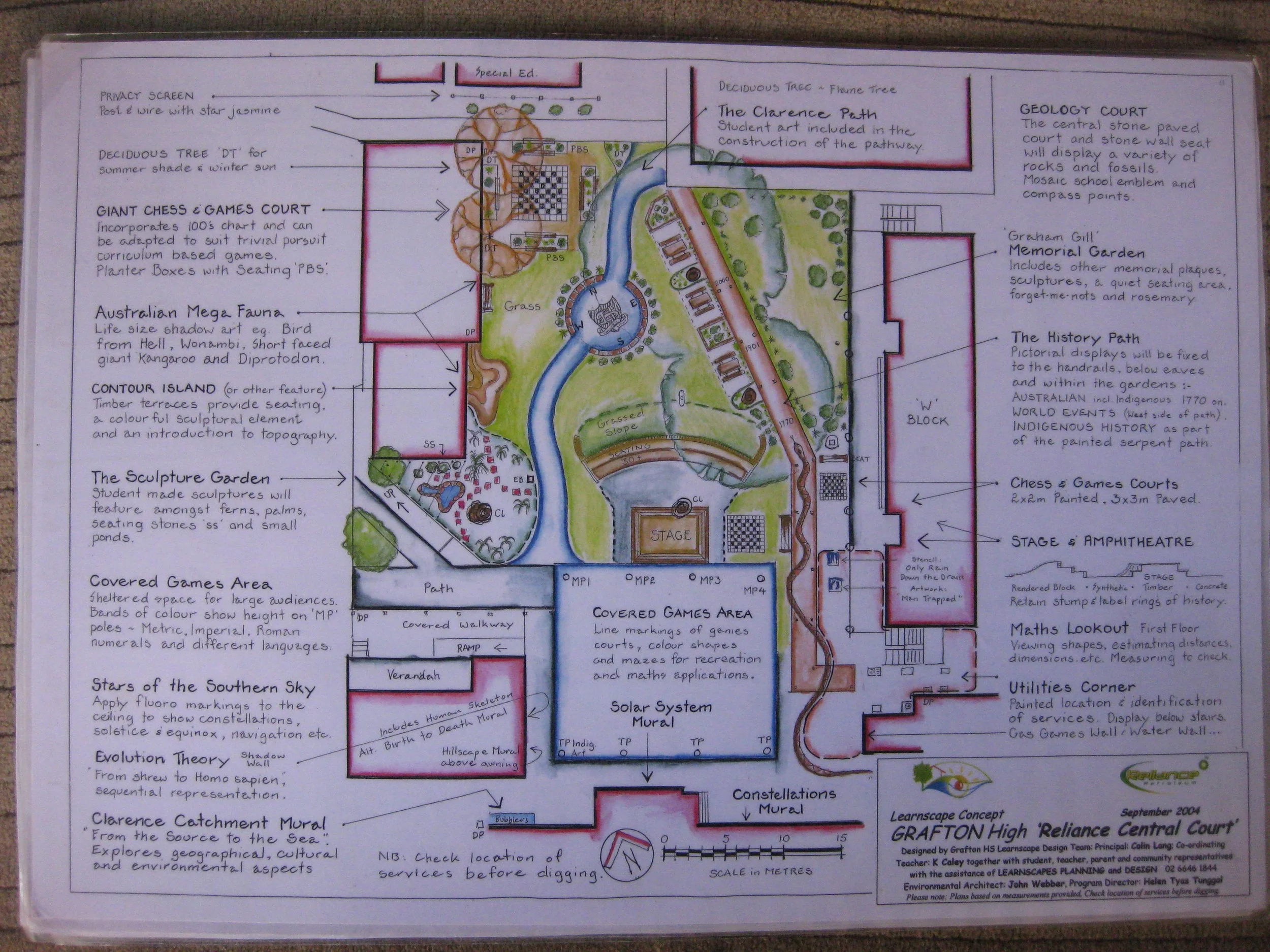
Sustainability means meeting present needs without harming future generations. It involves respect, responsibility, inclusion, and care for all life. Schools support this through sustainable practices, curriculum, and partnerships. By reducing their ecological footprint and promoting lifelong learning, schools help build a fair, responsible, and environmentally conscious society for the future.
Inspire, Create, Transform: Photo Sets for Dynamic Learning Environments
All photographs are the exclusive copyright of Helen Tyas Tunggal, Learnscapes Planning and Design, Australia.
These inspirational photo sets showcase real-world examples of thoughtfully designed learning environments—adaptable, inclusive, and full of practical insight for educators and planners at every level.
The full collection is available by request, with appropriate acknowledgement of Helen Tyas Tunggal required for any use.
Discover the vision. Be inspired. Request your copy and bring fresh ideas to your learning space.
-
LEARNSCAPES Active Play and Learning Set 1 Climbing and Balance
LEARNSCAPES Active Play and Learning Set 2 Swings, Hammocks and Flying Foxes
LEARNSCAPES Active Play and Learning Set 3 Water Play
LEARNSCAPES Active Play and Learning Set 4 Sandpits and Tunnels
LEARNSCAPES Active Play and Learning Set 5 Rolling, Bouncing, Riding, Running
LEARNSCAPES Active Play and Learning Set 6 See Saws and Slides
-
LEARNSCAPES Creative Play and Learning Set 1 Boats, Cubbies and Cubby Building
LEARNSCAPES Creative Play and Learning Set 2 Music in the Garden
LEARNSCAPES Creative Play and Learning Set 3 Mazes and Labyrinths
LEARNSCAPES Creative Play and Learning Set 5 Seasonal Colour Gardens
LEARNSCAPES Creative Play and Learning Set 6 Living Structures
-
LEARNSCAPESOutdoor Art Set 1 Art in the Garden
LEARNSCAPES Outdoor Art Set 2 Sculptures and Totems
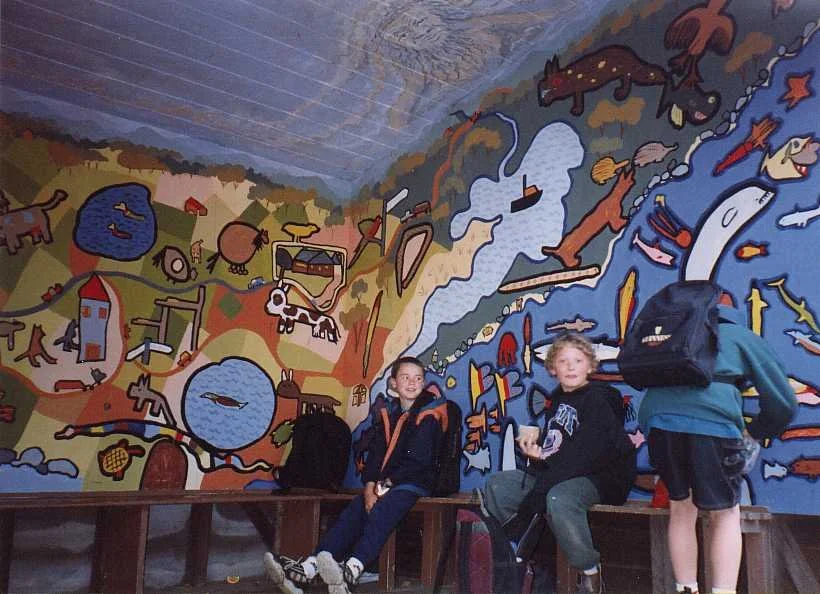
LEARNSCAPES Outdoor Art Set 3 Murals
LEARNSCAPES Outdoor Art Set 4 Mosaics
LEARNSCAPES Outdoor Art Set 5 Paving and Pavement Painting
-
LEARNSCAPES Habitat Haven Set 1 Native Grasses and Native Gardens
LEARNSCAPES Habitat Haven Set 2 Ponds
LEARNSCAPES Habitat and Stormwater Management Set 3 Dry Creek Beds
-
LEARNSCAPES Outdoor Structures Set 1 Path-ways
LEARNSCAPES Outdoor Structures Set 2 Bridges and Boardwalk
LEARNSCAPES Outdoor Structures Set 3 Platforms, Decks, Stages, Steps
LEARNSCAPES Outdoor Structures Set 4 Fences
LEARNSCAPES Outdoor Structures Set 5 Entrances and Gateways
LEARNSCAPES Outdoor Structures Set 6 Gazebos, Shade and Shelters
-
LEARNSCAPES Outdoor Seating Set 1 Amphitheatre Seating
LEARNSCAPES Outdoor Seating Set 2 Individual and Small Group
LEARNSCAPES Outdoor Seating Set 3 Medium Groups
LEARNSCAPES Outdoor Seating Set 4 Large Groups
LEARNSCAPES Outdoor Seating Set 5 Outdoor Table Settings